Eight Nites, Eight Writes = 7 Book Recommendations + 1 New Story
by
For the Sake of Argument
December 11, 2025
This Chanukah, instead of adding only candles, we’re adding a different kind of light – the light of new ideas.
We’ve gathered seven books that have kept us thinking this past year–about belief, belonging, community, and the hidden assumptions that govern how we live and argue. As an eighth light, we’re sharing a new argument story written by Abi Dauber Sterne and Robbie Gringras: Does Israel Fit? It follows an Israeli rabbi, an American publisher, and a collision of Jewish and Israeli identity and compromise.
Each book and story–whether exploring the neuroscience behind our beliefs, the search for community, or the art of disagreement–reveals a different kind of Chanukah miracle: the human capacity to think again, to let our beliefs be challenged and changed by new light.
So this Chanukah, add a question to the light. Check out some new ideas and engage in a healthy argument.
Happy Chanukah from all of us at For the Sake of Argument.
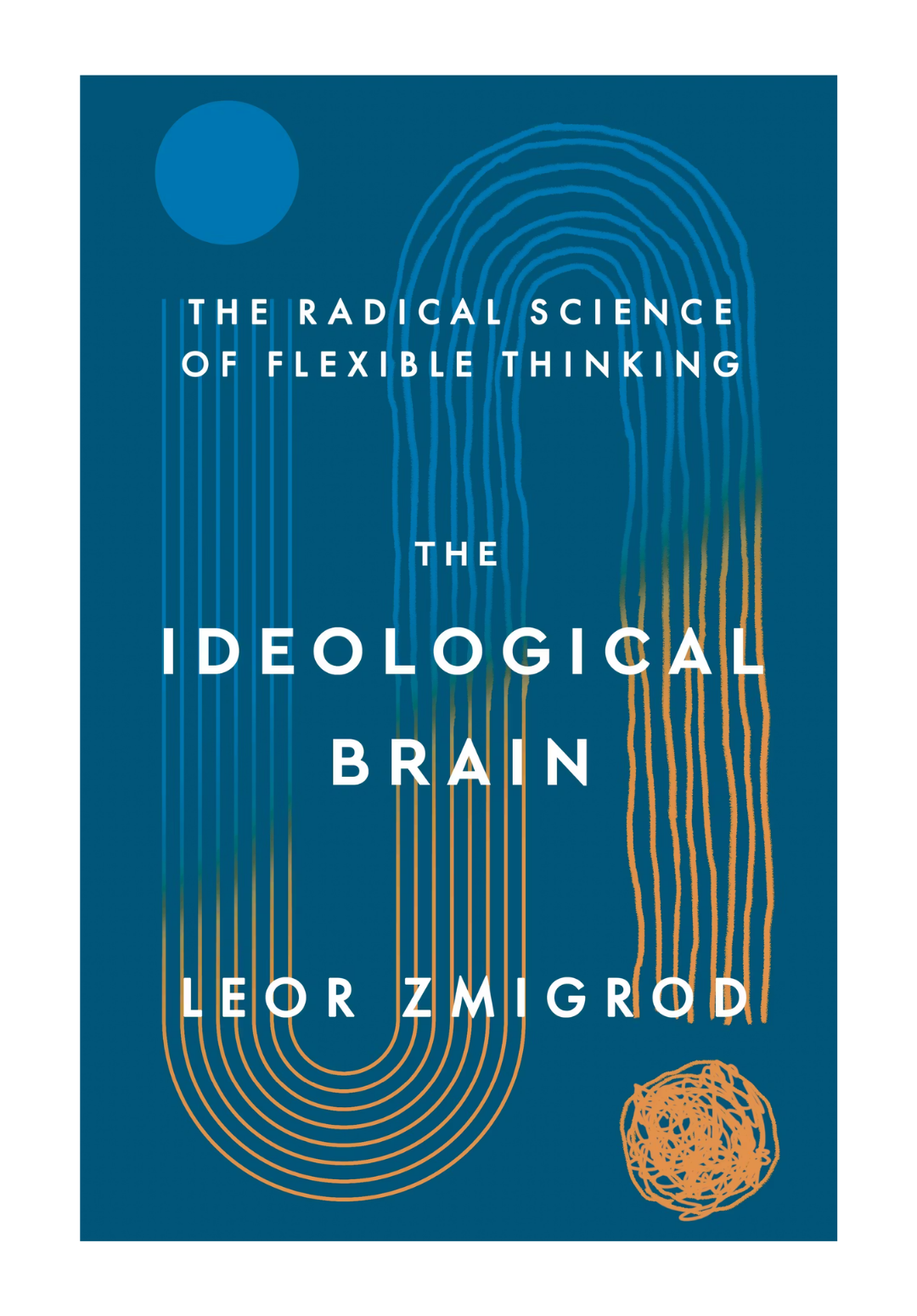
The Ideological Brain: The Radical Science of Flexible Thinking
by Leor Zmigrod
“The people with the most flexible minds are the people who acknowledge that the intellectual realm can be separated from the personal realm. They do not viscerally hate their interlocutors – they may hate their opinions but they do not project that hatred onto the persons voicing them. In contrast, the most cognitively rigid individuals, those who struggle to change when rules change, tend to hold the most dogmatic attitudes. They hate disagreement and are unwilling to shift their beliefs when credible counter-evidence is presented. Cognitive rigidity translates into ideological rigidity.”
Conflict Resilience: Negotiating Disagreement Without Giving Up or Giving In
by Robert Bordone and Joel Salinas M.D.
“…avoiding the negative feelings that naturally come with conflict by avoiding conflict altogether paradoxically leads to sensitizing the brain to conflict, increasing the level of perceived threat from conflict, and influencing how intensely we respond to these moments of potential distress. The more we avoid, the more we sensitize, the more motivated the brain is to avoid conflict—again and again until it’s like we’ve become allergic to conflict.”
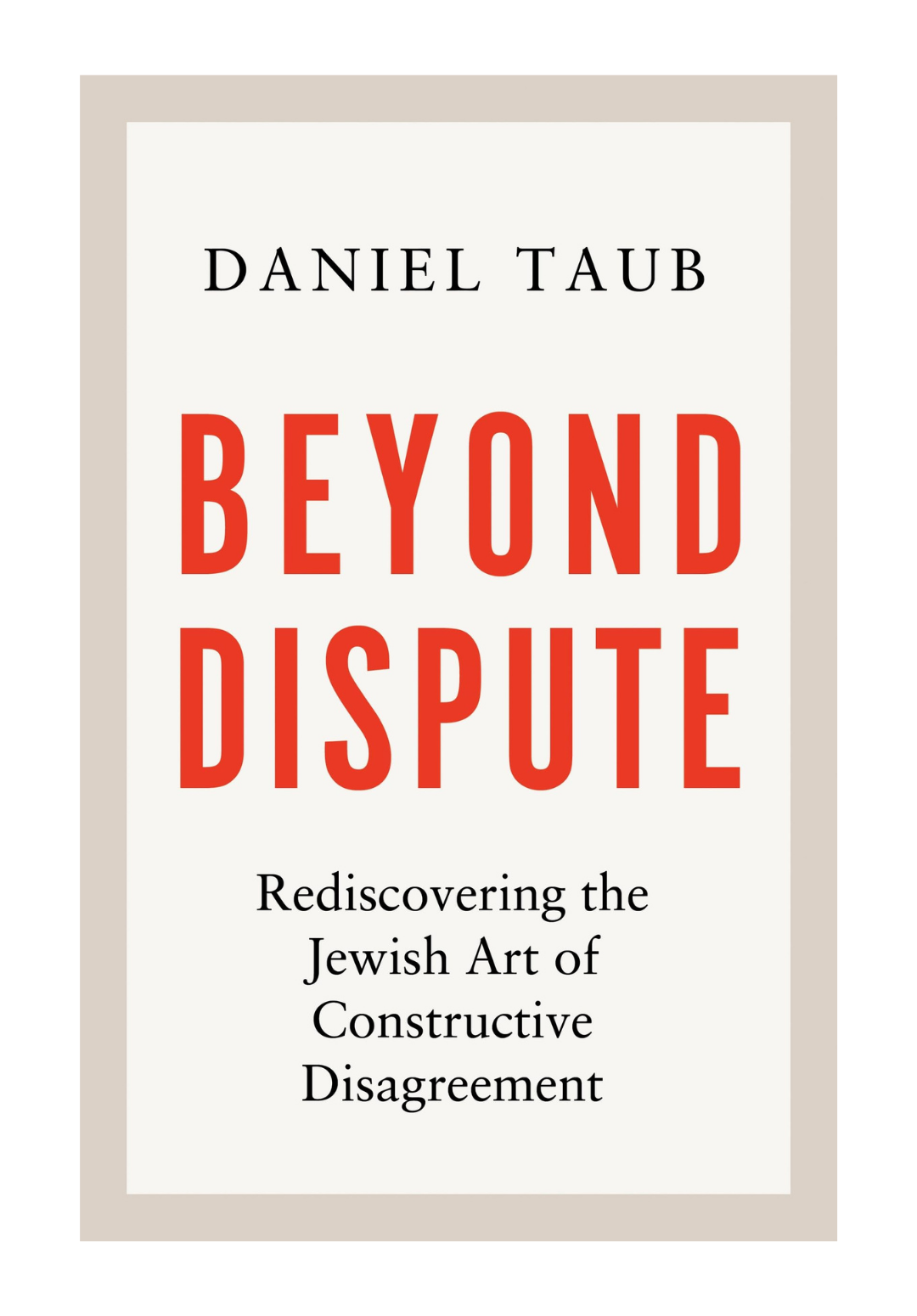
Beyond Dispute: Rediscovering the jewish Art of Constructive Disagreement
by Daniel Taub
"So one might make a case that as we enter an argument, we should prepare ourselves as we do for prayer. If we engage in a moment of self-reflection before we enter an argument, we may realise that we are not yet ready to have this debate. Perhaps we will realise that we have more work to do on ourselves before we can engage with others on this issue. The eighteenth-century rabbi Moshe Sofer described the attitude that we need to cultivate for a truly learning conversation: Our motivation should not be to take sides between one position and another, or to try to bend the other side to my own view, but rather to be ready, if my counterpart’s arguments are persuasive, to retract, and if they are not, to hold firm to my view. The mark of readiness to enter the conversation, he suggests, is whether we are prepared to change our view."
Community: Seeking Safety in an Insecure World
by Zygmunt Bauman
"To start with, community is a ‘warm’ place, a cosy and comfortable place. It is like a roof under which we shelter in heavy rain, like a fireplace at which we warm our hands on a frosty day. Out there, in the street, all sorts of dangers lie in ambush; we have to be alert when we go out, watch whom we are talking to and who talks to us, be on the look-out every minute. In here, in the community, we can relax – we are safe, there are no dangers looming in dark corners (to be sure, hardly any ‘corner’ here is ‘dark’). In a community, we all understand each other well, we may trust what we hear, we are safe most of the time and hardly ever puzzled or taken aback. We are never strangers to each other. We may quarrel – but these are friendly quarrels, it is just that we are all trying to make our togetherness even better and more enjoyable than it has been so far and, while guided by the same wish to improve our life together, we may disagree how to do it best. But we never wish each other bad luck, and we may be sure that all the others around wish us good."
Why Learn History (When It's Already On Your Phone)
by Sam Wineburg
"A history of unalloyed certainties is dangerous because it invites a slide into intellectual torpor. History as truth, issued from the left or the right, abhors shades of gray. It seeks to stamp out the democratic insight that people of goodwill can see the same thing and come to different conclusions. It imputes the basest of motives to those who view the world from a different perch. It detests equivocation and extinguishes perhaps, maybe, might, and the most execrable of them all, on the other hand. In a world devoid of doubt, the truth has no hands. Such a history atrophies our tolerance for complexity. It makes us allergic to exceptions to the rule. Worst of all, it depletes the moral courage we need to revise our beliefs in the face of new evidence. It ensures, ultimately, that tomorrow we will think exactly as we thought yesterday—and the day before, and the day before that. Is that what we want for our students?"
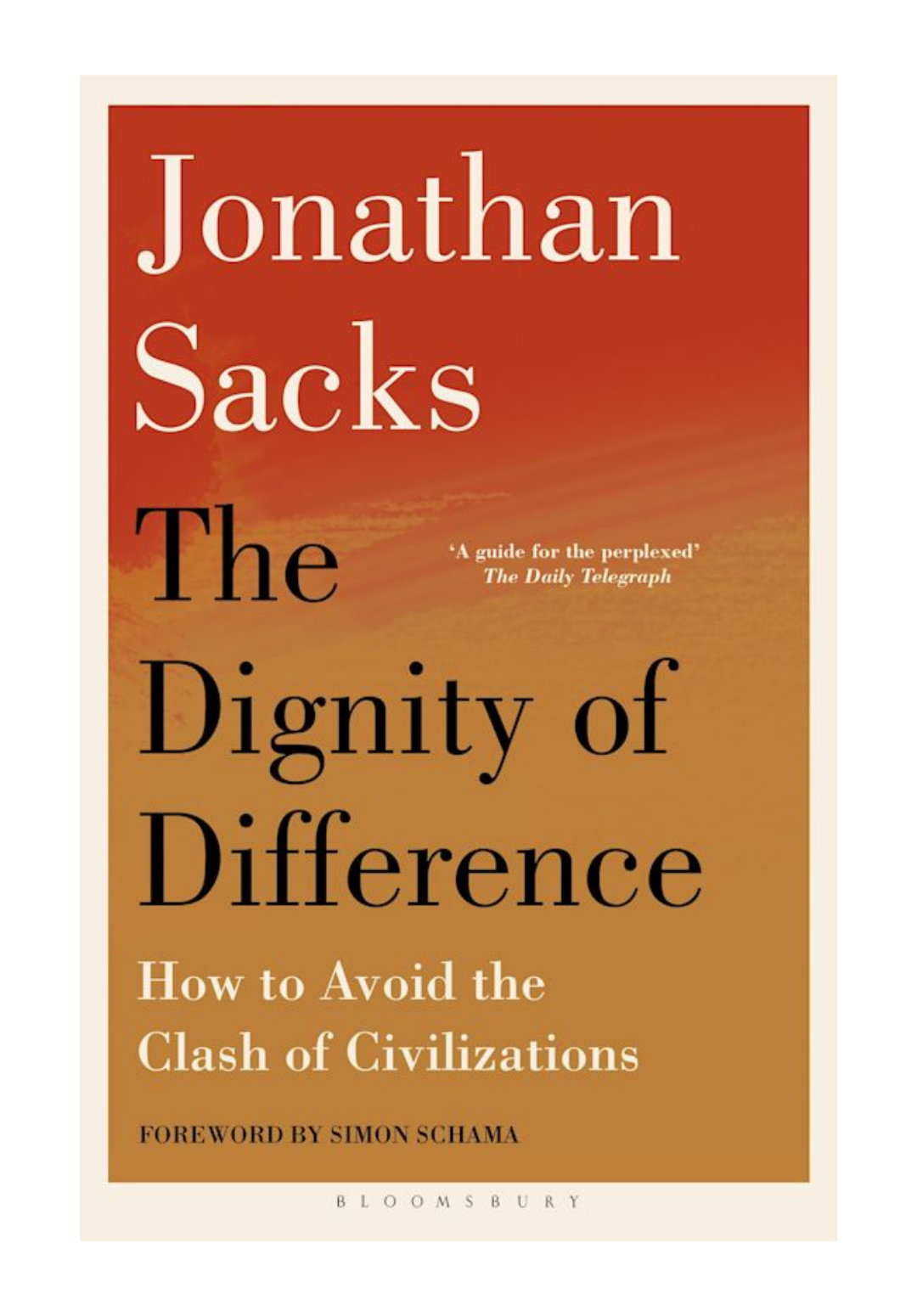
The Dignity of Difference: How to Avoid the Clash of Civilizations
by Rabbi Jonathan Sacks
Quoting Michael Ignatieff:
“I cannot help thinking that liberal civilization – the rule of laws, not men, of argument in place of force, of compromise in place of violence – runs deeply against the human grain and is only achieved and sustained by the most unremitting struggle against human nature. “
Rabbi Jonathan Sacks responds:
"Universalism is an inadequate response to tribalism, and no less dangerous. It leads to the belief – superficially compelling but quite false – that there is only one truth about the essentials of the human condition, and it holds true for all people at all times… The challenge to the religious imagination is to see God’s image in one who is not in our image. That is the converse of tribalism. But it is also something other than universalism. It takes difference seriously.
Just as community is built on the willingness to let the ‘I’ be shaped by the ‘We’, so society is made by the readiness to let the ‘We’ of our community be constrained by the need to make space for other communities and their deeply held beliefs. Society is a conversation scored for many voices… conversation – respectful, engaged, reciprocal, calling forth some of our greatest powers of empathy and understanding – is the moral form of a world governed by the dignity of difference."
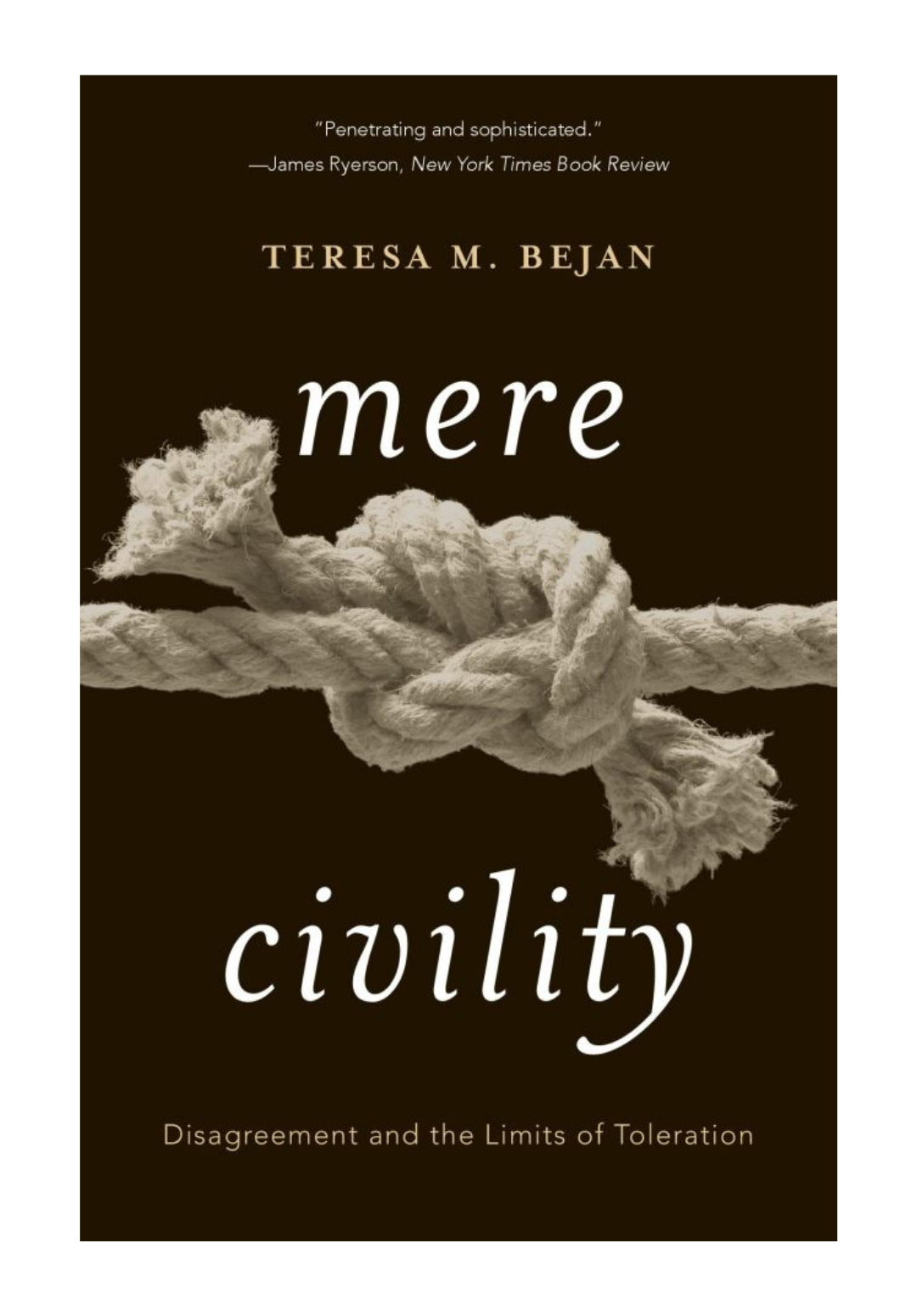
Mere Civility: Disagreement and the Limits of Toleration
by Teresa M. Bejan
"Williams, Hobbes, and Locke began alike from a shared understanding of human nature as partial and proud. They therefore recognized a certain disagreeableness inherent in disagreement that inevitably placed pressure on the affective bonds between individuals. The possibility of toleration thus hinged for each on what would be required, ethically and institutionally, to render religious disagreement sufficiently “civil” to overcome its negative affective dimension. While they could agree that tolerant societies neglected the war of words at their peril, however, they disagreed profoundly when it came to what civility entailed and how it should be enforced. Would the hypocritical, outward performance of “civil worship” suffice, or did true civility demand something more—a scrupulously civil silence on controversial questions, perhaps? Or a sincere respect, even affection, for others based on a recognition of the value and reasonableness of their beliefs? As for enforcement, did toleration demand the bridling of intolerant tongues through law? Or should a tolerant society tolerate its members’ incivility, too?
The competing conceptions of civility that Williams, Hobbes, and Locke developed in the course of answering these questions—what I call mere civility, civil silence, and civil charity, respectively—were not superficial calls for politeness, but rather sophisticated efforts to think through what coexistence under conditions of fundamental disagreement requires."
A new argument story by Abi Dauber Sterne & Robbie Gringras
An Israeli rabbi and American publisher clash over a book on Jewish holidays when one chapter—Yom Ha'atzmaut—becomes a sticking point, raising deeper questions about Israel's place in Jewish life today.
Thank you! Your submission has been received!
Oops! Something went wrong while submitting the form.


.png)